How to Create Cannabis Hash: Understanding the Process
March 02, 2026
by Canna City
4 minutes
This page was last updated on October 7, 2026
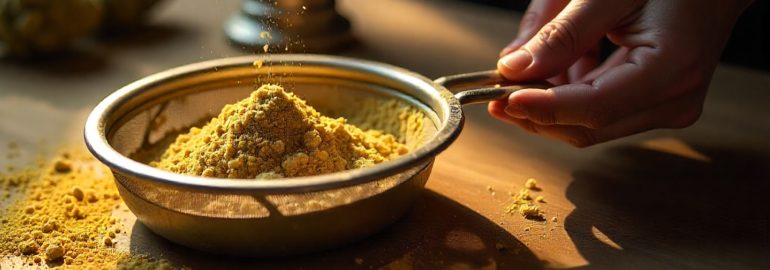
Hash (or hashish) is among the oldest cannabis concentrates available. If you’ve ever been curious about how to make hash, the process is essentially extracting the resin glands (trichomes) from the plant, where the majority of the plant’s flavour, aroma, and potency reside.
There are many methods of making hash, and each will provide varying levels of purity, texture, time invested in the creation process, and materials needed. However, it is not the type of equipment being used that is most important; rather, it is the quality of the original material, cleanliness of the environment and procedures, and proper processing.
Each method utilises the same principle to separate trichomes from the remaining plant while minimising the amount of extraneous plant matter in the final product.
Neither method inherently ensures a superior product. Regardless of method, the quality of the source material and care taken during processing are paramount.
Good hash begins with good cannabis
High-quality flowers or trim with a large number of intact trichomes generally produces a superior outcome compared to inferior cannabis that has dried out and released a substantial portion of its resin. The major variables affecting the end product include:- Quality and age of original material
- Content of trichomes
- Cleanliness and operation of equipment
- Exclusion of contaminants from other parts of the plant, dust, and moisture
- Proper care during handling
- Correct drying and storing
Methods of Making Hash
Traditional methods for producing hash, along with newer variations, utilise similar principles of removing cannabis resin from plant material.| Method | Utilises | Advantages | Disadvantages |
| Dry Sift | Screens and dry cannabis | Simplest approach requiring minimal equipment | Includes more plant matter |
| Ice Water Hash | Filter bags and ice water | Removes plant material cleanly | More steps and needs correct drying |
| Hand-Rub Style | Fresh plant material and hands-on handling | Traditional and resin-rich | Labour-intensive and inconsistent |
Dry Sift and Kief
One of the easiest methods to remove trichomes from cannabis is dry sift. Kief typically consists of the loose collection of separated trichomes. It appears as a powdery gold substance composed mainly of detached trichomes. Like all cannabis products, the quality of kief depends greatly upon both the quality of the source material and the extent of plant material in the final product. Kief may remain loose or be pressed into hash form. Pressing affects both texture and colour as the resin glands combine with some of their natural oils.Ice Water Hash
When looking at how hashish is made, cold water hash — also known as bubble hash — is one of the most common methods. It uses cold water, ice and filtration to separate trichomes from cannabis. Cold temperatures cause trichomes to become brittle, thereby allowing them to easily break free from the surrounding plant material. Filter bags with various mesh sizes are then employed to separate differing grades of resin. Bubble hash offers the greatest advantage of providing cleaner separation. Like all cannabis products, however, ice water hash quality ultimately relies heavily upon both the quality of the starting cannabis and maintaining control over contamination during processing. If you want to learn more about this method, including Bubble Bags, micron sizes, quality grades, and common issues that can affect the final product, read our detailed guide to Bubble Bags and ice-water hash extraction.Why Starting Material Counts
High-quality cannabis directly correlates to high-quality hash. Cannabis with an abundance of aroma-producing compounds and obvious resin will generally perform better than cannabis that is old, extremely dry, or low in trichomes. High-quality initial material also limits the temptation to overly process cannabis in an attempt to increase yield. Generally speaking:- Cannabis with an abundance of resin yields better hash.
- Aggressive manipulation increases the risk of damaging trichomes prior to separation.
- Old or improperly stored cannabis tends to produce inferior results.
- Pure initial material minimises the risk of contamination in the final product.
Common Issues That Impact Hash Quality
Several concerns can adversely affect the quality of completed hash.- Too Much Plant Material. Excessive contamination with leafy particles and/or other plant debris can negatively affect texture, taste, and overall purity
- Poor Drying Practices. Moisture is arguably one of the most significant quality concerns. Although the exterior surface may appear dry, interior moisture within the resin is possible.
- Texture defects
- Loss of fragrance
- Reduced shelf life
- Growth of mould
- Inferior Starting Material. Low-resin trim or “old” cannabis, regardless of the method, will generally generate a lesser-grade product.
- Over-Processing. Increasing pressure does not always improve hash quality. Excessive processing forces can actually increase plant-based contaminants without substantially enhancing the quality of extracted resin.
Dry Sift vs Ice Water Hash
The optimal approach depends on your priorities. Dry sift is often more straightforward and requires less specialised equipment. Ice water hash will require additional preparation and filtration; however, it may offer cleaner separation.| Characteristic | Dry Sift | Ice Water Hash |
| Equipment | Minimal | Specialised |
| Process | Easier | Involved |
| Contamination from plants | Can be higher | Can be lower |
| Required drying conditions | Lower | Greater importance |
| Control over separation | Moderate | Higher |
Better Input, Better Hash
Making hash is less about complicated techniques and more about maintaining control over the quality of the material, cleanliness, handling, and storage. Different methods can produce different textures, levels of purity, and characteristics, but they all rely on the same basic principle: separating and preserving the resin-rich trichomes of the cannabis plant. If you want to explore different types of hash and cannabis products, take a look at Canna City’s selection of popular hash in the UK and quality cannabis flowers.Blog categories
- All categories
- Bud grinders
- Bud in UK
- Bud pipes
- Cannabis and body
- Cannabis Communities
- Cannabis edible
- Cannabis for Creative
- Cannabis for Energetic
- Cannabis for Euphoric
- Cannabis for feeling Happy
- Cannabis for Focus
- Cannabis for Relax
- Cannabis for Sleep
- Cannabis Growth
- Cannabis high
- Cannabis Scams
- Cannabis test
- Cannabis traveling
- CBD
- Cooking with Cannabis
- Halloween weed
- Hash in UK
- High octane strain
- Hybrid in UK
- Indica in UK
- Moderate THC
- Sativa in UK
- THC Flower in UK
- THC Hybrid
- THC in UK
- THC Vape
- Weed accessories
- Weed and weight gain
- Weed for beginners
- Weed for holidays
- Weed hangover
- Weed joints
- Weed oil in UK
 Security Updates

Yes, There’s a CAPTCHA Now — Here’s the Story Behind It and Why Your Security Always Comes First
03.07.2026
Recent posts


Check out our product catalog
Weed from Canna City is available for purchase in the following cities: